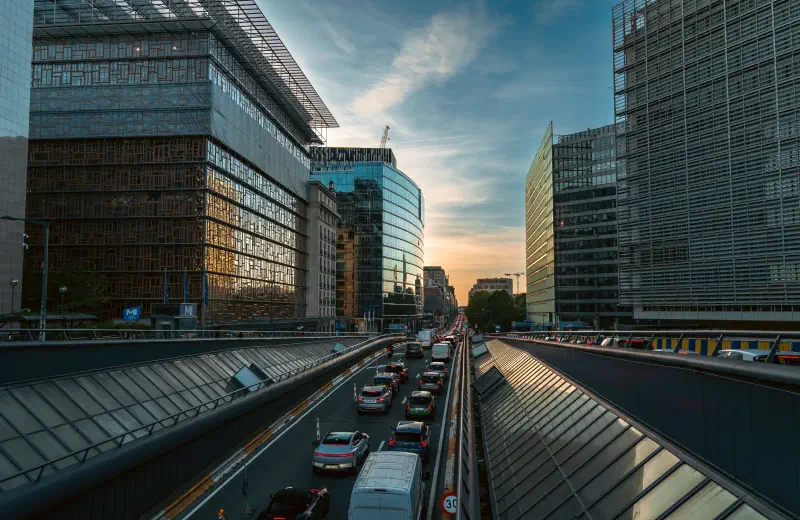
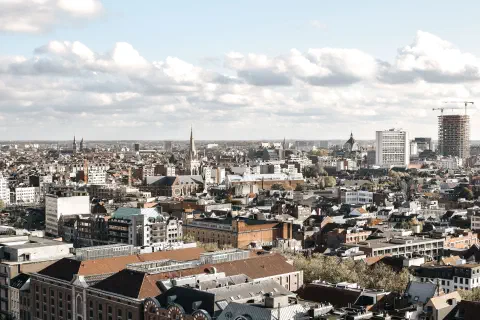
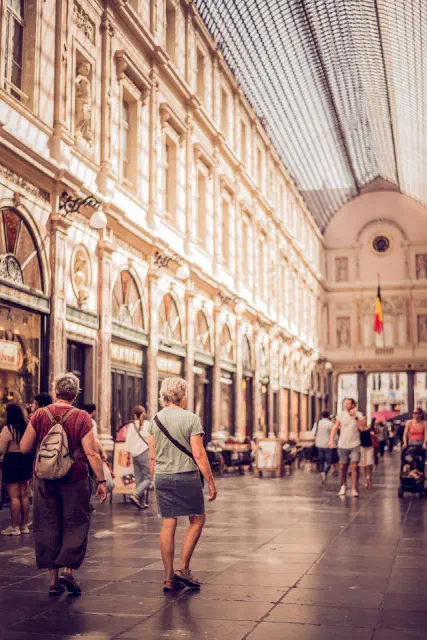
Reaching Brussels for WVPAC 2027 is easy. Located at the heart of Europe, Brussels is one of the continent’s most accessible destinations, offering excellent connections by air, rail and road. Whether you are travelling from within Europe or from overseas, your journey to the congress can be smooth, convenient and sustainable.
Brussels Airport is Belgium’s main international airport and offers direct connections to destinations across Europe, North America, Asia, Africa and the Middle East.
The airport is located approximately 12 kilometres from the city centre and is directly connected by train. Delegates can reach central Brussels in around 20 minutes.
Facilities include:
Direct train station within the airport
Taxi and ride-sharing services
Car rental facilities
Restaurants, shops and business services
Brussels South Charleroi Airport (CRL)
Brussels South Charleroi Airport serves numerous European destinations and is a popular choice for low-cost carriers.
Regular shuttle buses and train connections provide convenient access between the airport and Brussels city centre.
Arriving by Train:
Brussels is one of Europe’s most important railway hubs and offers excellent international rail connections. Thanks to high-speed services such as Eurostar, TGV and ICE, travelling to Brussels is fast, comfortable and sustainable.
Major European cities are directly connected to Brussels:
City
Travel Time
Frequency
Paris
1h22
Up to 20 trains per day
Amsterdam
1h50
Up to 14 trains per day
London
2h00
Up to 9 trains per day
Cologne
1h50
Multiple daily ICE services
Frankfurt
3h00
Direct ICE connections
Brussels is served by three major international railway stations:
Brussels-Midi/Zuid (Eurostar, TGV, ICE)
Brussels-Central
Brussels-North
The congress venue, Square Brussels Convention Centre, is located just a short walk from Brussels-Central Station, providing delegates with quick and convenient access upon arrival.
All stations are well connected to the city’s metro, tram and bus networks, making onward travel simple and efficient.
Arriving by Car:
Brussels is easily accessible via an extensive European motorway network.
Visitors travelling by car should note that traffic congestion can occur during peak hours. Park-and-ride facilities are available on the outskirts of the city and provide convenient access to public transport.
The Brussels-Capital Region is a Low Emission Zone (LEZ). More information is available here.
Getting Around Brussels:
Brussels has an efficient and affordable public transport network operated by STIB-MIVB.
Metro
The metro network provides fast connections between key areas of the city, including major railway stations and business districts.
Tram
Brussels’ extensive tram network is one of the largest in Europe and offers convenient access throughout the city.
Bus
Numerous bus routes connect areas not served by metro or tram.
Taxis and Ride-Sharing
Licensed taxis and ride-sharing services are widely available throughout Brussels.
Cycling
Brussels continues to invest in sustainable mobility and offers bicycle-sharing systems and growing cycling infrastructure.
Brussels is particularly well suited to sustainable travel thanks to its excellent rail connections, walkable city centre and extensive public transport network.
Practical Information
Currency
Euro (€)
Credit and debit cards are widely accepted throughout Belgium.
Languages
Belgium has three official languages:
Dutch
French
German
English is widely spoken in hotels, restaurants, tourist attractions and business environments.
Electricity
Voltage: 230V
Frequency: 50Hz
Plug Type: E
International visitors may wish to bring a travel adapter.
Emergency Number
For police, fire or medical emergencies: 112
Time Zone
Brussels operates on: Central European Time (CET)
Weather
Brussels enjoys a moderate climate throughout the year.
Visitors are advised to bring layers and a light rain jacket, as weather conditions can vary during the day.
More detailed weather information will be available closer to WVPAC 2027.